


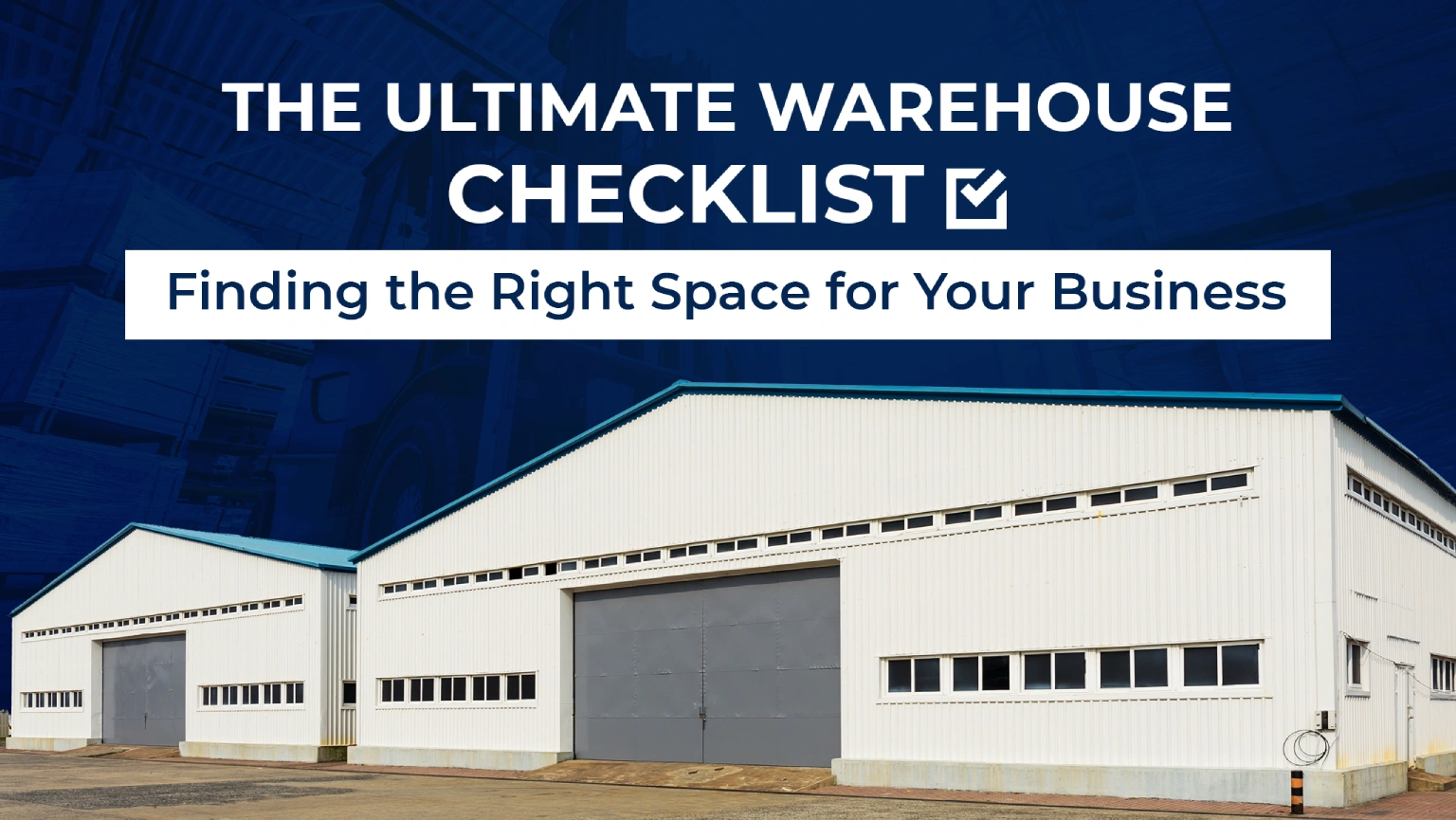
Finding the right warehouse for rent is crucial for keeping your cash flow flexible. In an unpredictable economy, you need a space that supports your growth without locking all your capital into a fixed location.
To help you make the right decision, below are three critical factors to evaluate before signing a lease.
Essential Infrastructure: What to Look for in a Warehouse for Rent
The infrastructure of a warehouse for rent is the backbone of your operations. With the right layout, technology integration, and conditions, a simple storage space is transformed into a high-performing one.
Beyond the four walls, you need to evaluate the technical specs, including:
- Clear height
Modern warehouses require a clear height of at least 24 to 36 feet. If the ceiling is too low, you’re paying for floor space you can’t maximise vertically. - Floor load capacity
Industrial floors are typically concrete slabs, but their thickness determines how much weight they can hold. Make sure that the PSI (pounds per square inch) rating supports your heaviest load. - Power supply
Check for 3-phase power. If you plan to run automated conveyors, cold storage, or heavy manufacturing equipment, a standard electrical setup won’t suffice. - Lighting and HVAC
High-bay LED lighting is crucial for preventing accidents and ensuring visibility within the warehouse. Conversely, robust HVAC systems provide essential ventilation and protect inventory from damage, moisture, or spoilage.
Operational Compatibility: Assessing the Layout and Access
When you’re looking for a warehouse space for lease, its layout is just as important as the infrastructure itself. The flow of goods needs to be seamless for maximum productivity; otherwise, inefficiencies will inevitably slow your business down.
Here are three key factors you need to consider:
- Dock Configuration
Evaluate the ratio of dock-high doors (for semi-trailers) to grade-level doors (for vans or forklifts driving in). - The Truck Court
This is the outdoor area where trailers manoeuvre. Modern storage spaces will typically have a depth of 130–180 feet, providing enough apron space for 53-foot trailers to dock comfortably. - Column Spacing
Large pillars fuel inefficiency. Measure the bay size to ensure your standard racking dimensions fit without creating dead zones around the columns.
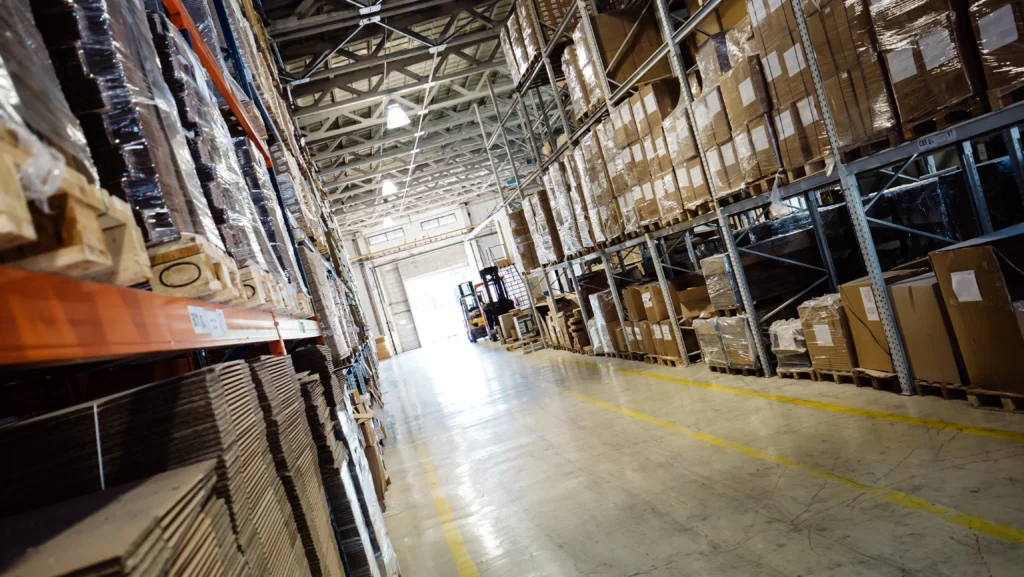
Safety and Compliance Standards
Warehouses are electric and fast-paced spaces where safety is imperative. Simply put, the right space for your business protects your employees. It safeguards your inventory and is fully aligned with legal requirements.
- Fire Suppression (ESFR)
Check for Early Suppression, Fast Response sprinklers. These are designed to put out a fire, not just contain it. Without an ESFR system, fire codes may limit how high you can stack your goods, which wastes the vertical space you’re paying for. - Zoning and Permits
Confirm the building is zoned for your specific operations. Securing the correct permits validates that the warehouse meets the specific safety and environmental standards required for your industry. - Lighting and Visibility
In a fast-moving environment, shadows are dangerous. High-bay LED lighting is essential for illuminating aisles and loading docks, helping forklift drivers and pickers avoid accidents. - Egress and Accessibility
Emergency preparedness is vital in a large facility. Look for a warehouse that has clear, unobstructed paths to emergency exits, allowing your total headcount to evacuate safely in any situation.
Finalising Your Selection
A warehouse is a strategic investment that can accelerate your business growth significantly. If you’re looking for a warehouse space for rent in Bangkok, our local experts at Rangsit Prosper Estate can help. We offer units built to meet international standards, excellent transportation links, and flexible options tailored to your operational needs. Contact our team today to get started.