Bangkok has become one of Southeast Asia’s most practical bases for small businesses looking to scale efficiently. With strong transport links, access to labour, and a wide range of industrial zones, the city supports everything from e-commerce fulfilment to light manufacturing.
For many operators, securing a warehouse for rent in Bangkok is a strategic step that allows growth without the cost and complexity of owning property. This guide outlines the key factors to consider, from location choices to facilities and leasing strategy.
Identifying the Best Locations for Your Business
Location plays a direct role in operating costs, delivery speed, and long-term flexibility. Small businesses should assess how their warehouse supports daily workflows rather than focusing only on proximity to the city centre.
Areas such as Khlong Toei remain suitable for manufacturing-oriented businesses that require access to ports and established industrial networks. In contrast, neighbourhoods including Ratchada, Onnut, and Ladphrao are increasingly popular with modern SMEs and e-commerce operators. These areas balance accessibility, workforce availability, and integration with commercial districts.
When reviewing options for industrial property for rent, it’s worth considering road access, traffic patterns, and how easily goods move between suppliers and customers. The right location reduces delays, improves reliability, and supports predictable operations as the business grows.
Facilities, Budget, and Lease Terms
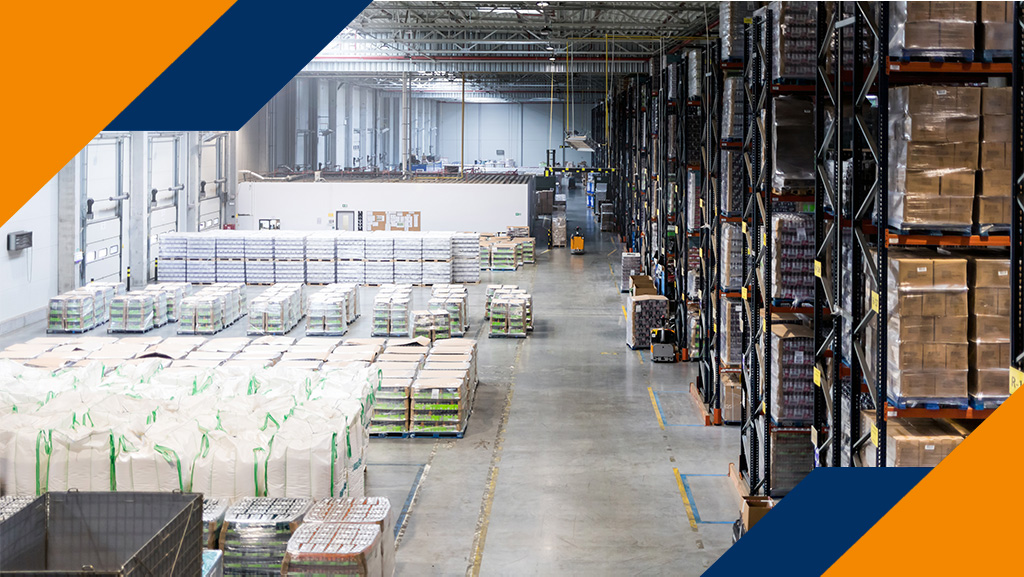
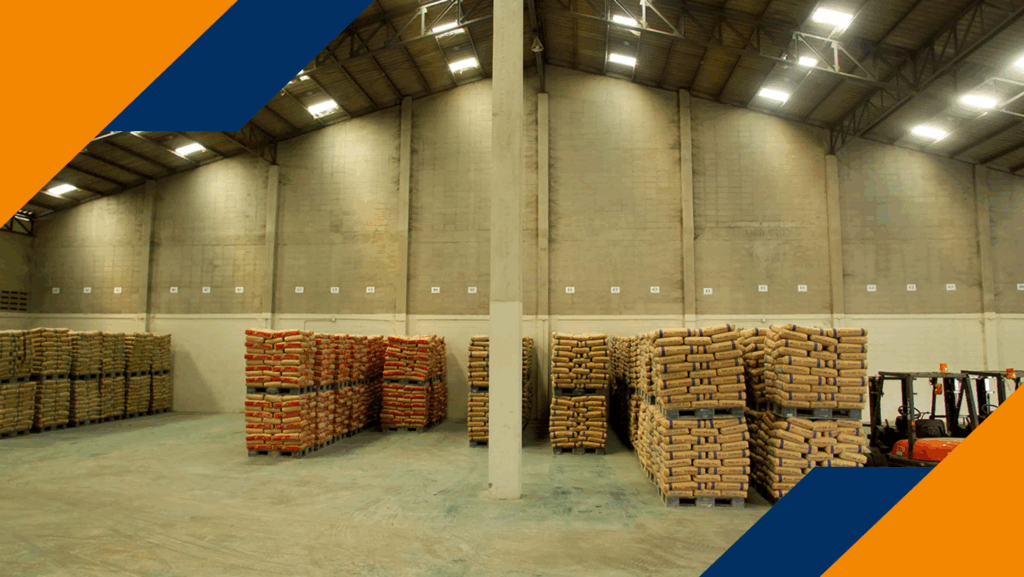
Beyond location, the functionality of the space itself has a significant impact on efficiency. A well-selected industrial warehouse for rent should support operations without requiring extensive modification.
Key facilities most small businesses look for include:
- Loading and access areas: Designed to accommodate delivery vehicles safely and efficiently.
- Security systems: On-site security and controlled access that protect inventory and equipment.
- Climate control options: Essential for temperature-sensitive goods or equipment.
- Flexible layouts: Spaces that can adapt as storage, packing, or light production needs evolve.
Budget decisions shouldn’t focus solely on headline rent. Facilities that reduce downtime, improve workflow, and limit maintenance issues often deliver better long-term value. Lease terms also matter. Clear agreements, defined responsibilities, and flexibility to adjust space over time help small businesses manage risk and plan with confidence.

How to Rent a Warehouse in Bangkok Successfully
Approaching the process methodically helps avoid costly mistakes. It’s best to start by defining operational requirements clearly, then researching available options across suitable districts. Site visits remain essential, as they reveal practical details that floor plans can’t show.
Working with local property specialists can also simplify the process, particularly when comparing different estates or negotiating lease conditions. For businesses considering expansion into production, reviewing options such as a factory for rent in Bangkok alongside warehouse space may provide additional flexibility.
Ultimately, securing the right warehouse for rent in Bangkok is about alignment with business goals rather than speed alone. For companies planning their next step, contact us to discuss suitable warehouse and industrial property options that support long-term operational stability.